

Communication

Communication looks different for different people — and all forms of communication are valid.
This page brings together information and resources on Augmentative and Alternative Communication (AAC), Gestalt Language Processing, and assistive technology, with a focus on supporting communication in ways that are respectful, accessible, and affirming.
Rather than prioritising verbal speech or compliance, these approaches recognise communication as a shared, relational process shaped by regulation, safety, and connection. Whether someone communicates through speech, movement, visuals, technology, or a combination of methods, the goal is to support meaningful expression and understanding — not to force a particular way of communicating.
The resources here are intended to support neurodivergent people, families, educators, and professionals to better understand communication diversity and to choose supports that honour autonomy and lived experience.
Meet Grá
She is a mother of a Gestalt Language Processor and a Gestalt Language Processor herself. Below, she generously shares her lived experience, reflections, and what has helped her feel understood and supported in communication.

What I'd Like People To Know About GLP
It's Natural
GLP is a natural way of experiencing the world. It is a beautiful and deeply empathetic way of connecting with people and experiences... and yes, acquiring language too. GLPs connect with another person's experience so deeply that they store it perfectly and can recall it when they themselves relate to that same feeling or experience in their own lives. Their language is built on emotion and relating to the emotions of others. This is their natural way of building up their bank of words and communication stores.
It flows organically and captures the highly sensitive nature of their style of learning. For GLPs, things like tone, pitch, volume, pace and the energy with which words are delivered rank more highly than individual words themselves. I liken it to the score of a movie and how it communicates the emotions of a scene, as opposed to the actor delivering the lines in the same scene. GLPs primarily connect to the feeling or sense of the experience, whereas Analytic Language Processors may only access this on a secondary level or with focused attention. To the GLP, it is as natural as left-handedness... Different from the majority but perfect in itself.

What I'd Like People To Know About GLP
Echolalia can be meaningful
Can echolalia also sometimes act as just a fun stim? Of course! But it also can carry very important messages. For example, when my son was struggling to attend school, his use of Gestalts and delayed echolalia meant I knew what the root cause was. Without me there in school with him (somebody that knew his communication and nervous system) he was feeling unsafe. This is what needed to be addressed to help him feel secure.
His Gestalts were instrumental to me understanding the depth of his dysregulation. Gestalts and Echolalia carry important messages and we need to honour and listen to them. They are a core part of self-advocacy. As a Dual Processor myself, I can say truthfully, that when I am dysregulated, my Gestalts are an anchor that I rely on to communicate difficult, painful emotions. Without them, I would be unable to communicate effectively. Perhaps it would be like asking you to communicate a difficult feeling in Spanish when it is not your first language. It feels that unnatural. Gestalts help communicate complex experiences for me, aswell as the light and playful experiences. They play a part in all emotions, fun ones and difficult ones.
What I'd Like People To Know About GLP
Processing can be hard!
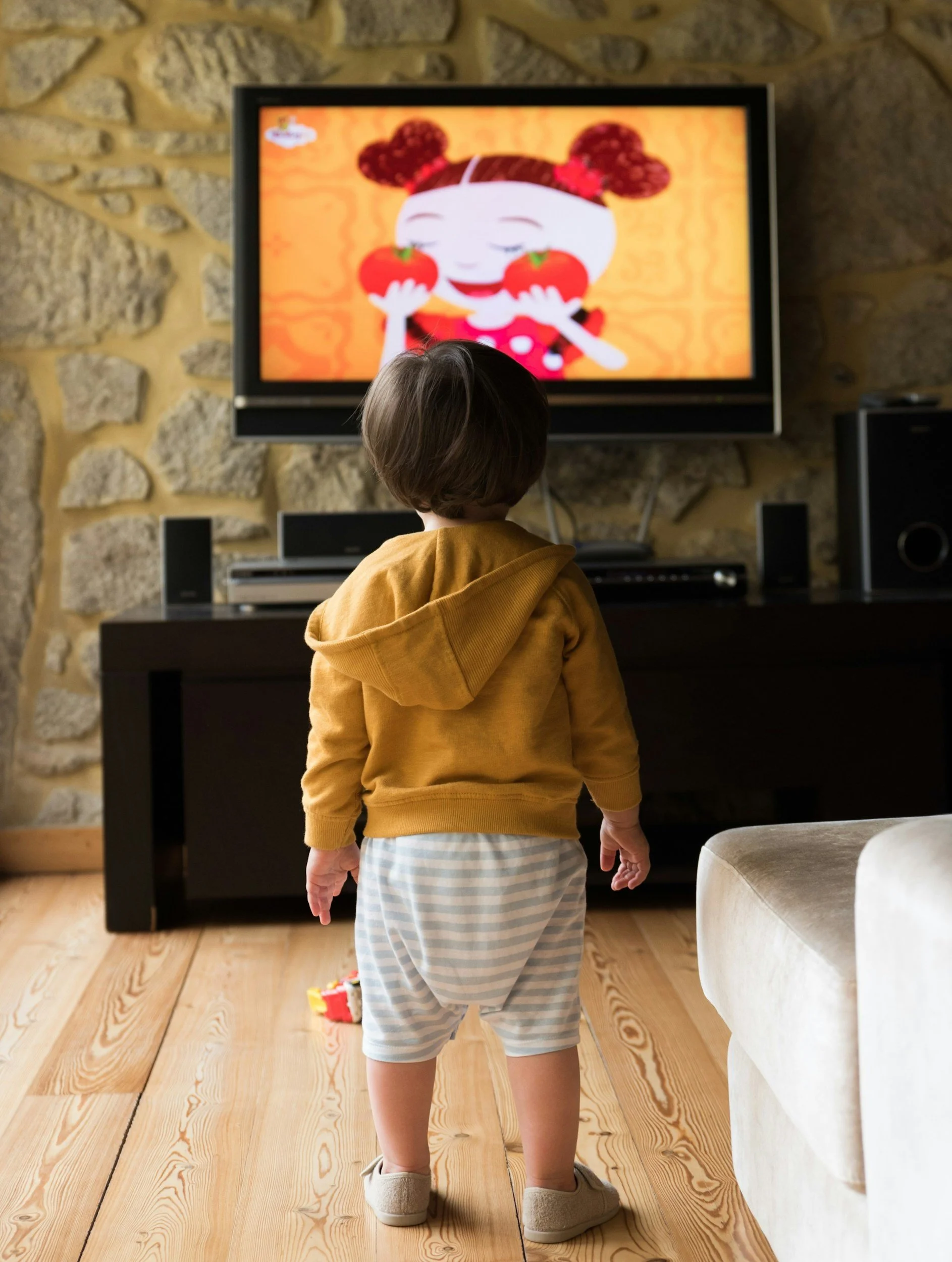
GLPs learn language in a very different way. It is as though they are the mirror as opposed to the typical experience of being the subject looking at the mirror. In this way, questions can be tricky as they require time to a.) Understand and b.) Construct the response. Time and patience is required to provide GLPs the opportunity to work through the language construction required in a reply.
I sometimes visualise the wheels and cogs turning in my son's brain to help me give him time to respond. It can be up to a minute or two minutes even, and he will suddenly have his answer. Time, patience and a total acceptance that GLPs truly is working hard internally to formulate a response is needed. That belief is fundamental to GLPs not feeling pressured or overwhelmed with questions, rephrasing of questions and demands. Give them time.

Wishing you all the best,
Grá
Fundamentally, you have a beautiful child/person on your life that has a rare and profoundly sensitive way of relating to the world around them.
Embrace this journey.
It can be challenging as unfortunately we have not validated GLPs so we and society at large are not well informed (far from it!). But if you tune into them and learn even the basics to validate and support their natural way of being, you will see them thrive and it will deepen your bond and their overall happiness.